Back at WWDC 2019, Apple announced a security feature for its smart home platform that works through your Wi Fi router. Originally called HomeKit Secure Router, it lets you apply network level firewall rules to Apple Home accessories connected over Wi Fi or Ethernet, limiting how they can talk to the wider internet.
Apple initially said support would come from multiple router brands including Linksys and eero, with wider availability landing in 2020. By late 2022, support was limited to select Linksys Velop mesh systems and certain eero models. In 2026, it remains a useful feature if you’re running one of the supported routers, but it’s also fair to say adoption never became mainstream.
I’ve used Linksys Velop since late 2020 and later switched to eero Pro 6. Once enabled, Apple Home router security runs quietly in the background. I tend to check settings occasionally, rather than constantly fiddling with it.
In this guide, I’ll explain what Apple Home router security is, which devices support it, how to set it up, what the privacy levels actually do, and what trade offs to expect.
What is HomeKit Secure Router
Apple Home support for routers adds three privacy levels you can apply to compatible Apple Home accessories connected via Wi Fi or Ethernet. The controls live inside the Apple Home app on iPhone, iPad, and Mac, and they let you decide how each accessory can communicate outside your home.
That matters because any internet connected smart home accessory can be a weak point. Some accessories genuinely need cloud access to work, but others don’t, and not every manufacturer has a stellar track record with privacy. With a compatible router, you can lock down internet access for accessories you don’t fully trust, while still keeping Apple Home control working locally.
What do you need to get started with HomeKit Secure Router
An iPhone, iPad, or Mac running current Apple software, with Apple Home set up and signed in to the Apple Account you use for iCloud.
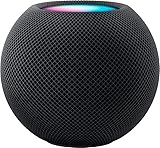
A home hub running current software, such as Apple TV 4K, HomePod, or HomePod mini.
- A HomeKit-compatible router such as the Velop Mesh Wi-Fi and select models of the eero range. You also need to ensure you are running the latest firmware update.
How to set up HomeKit Secure Router
I’m assuming your router is already installed and working normally. The next step is enabling Apple Home support inside the router’s own app, then adding it to Apple Home.
Using eero as the example, setup begins in the eero app. Open the relevant section for Apple Home or HomeKit, then choose the option to set up Apple Home support. You’ll be asked to allow access to your Home data, which is required for the feature to manage accessory permissions properly.

From there, the process looks like adding any other Apple Home accessory. You’ll add each router node, name it, and assign it to a room. If you have multiple mesh points, Apple Home will list each one. During setup you’ll also be prompted to enable accessory security, which turns on the router level controls.

Once completed, the default mode is Automatic, and you can start adjusting per accessory rules if you want.
HomeKit Secure Router settings explained
After setup, nothing really changes in your main Home view. Routers don’t appear as normal room tiles, similar to how bridges behave.
To find the controls, open the Apple Home app, go to Home Settings, then look for the Wi Fi Network and Routers section. Inside, you’ll see:
Your compatible router nodes, listed individually if you’re using mesh.
A master toggle for accessory security.
A list of Apple Home accessories connected via Wi Fi or Ethernet.

The three privacy levels explained
You can leave everything on Automatic, or set rules per accessory.
Restrict to Home
This is the strictest option. The accessory can talk to your home hub locally, but it can’t reach the internet and can’t freely communicate with other local devices. This can break firmware updates and any manufacturer app features that rely on cloud services.
Automatic
This is the default. The accessory can connect to the internet, but only to the services the manufacturer has identified for it. Apple Home may show those destinations for added transparency, although not every manufacturer provides complete detail.
No Restriction
This allows any outbound internet access and local network connections, the same as a normal network setup.
For most people, Automatic is the sweet spot. If you’re specifically worried about an accessory “phoning home”, Restrict to Home is the option that gives you real control, as long as you accept the functionality trade off.
Things to consider
Bridges can limit what you can control
If your accessories connect through a bridge, you don’t set rules per bulb or per sensor, you set rules for the bridge itself. That’s convenient for large systems like Philips Hue, because you don’t want to manage dozens of individual lights.
But it can be annoying for camera systems with a central hub. If multiple cameras rely on one hub, restricting that hub restricts everything behind it. You can’t normally lock down one camera without impacting the rest.
You can break manufacturer features
Restricting an accessory’s internet access can disable app features that rely on cloud processing. That’s the whole point of the control, but it’s worth calling out because the failure mode can look like the device is “broken” in the manufacturer app while still working in Apple Home.
Apple Home Secure Video behaviour
Apple Home Secure Video is generally not affected in the way people fear. A compatible camera can still stream and record via Apple Home Secure Video even if you restrict its internet access, because the processing and iCloud upload path is handled through Apple Home. In many cases, the manufacturer app experience will be reduced or stop working, unless the camera is designed to operate locally only.
Non Apple Home devices are unaffected
This feature applies only to Apple Home accessories connected via Wi Fi or Ethernet. Your phones, tablets, laptops, consoles, and everything else on your network behaves as normal.
Firmware updates might be blocked
If you set an accessory to Restrict to Home, you may prevent it from checking for or downloading firmware updates. If updates matter to you, keep the device on Automatic, update it, then restrict it again if needed.
Thread and Bluetooth devices aren’t part of this feature
In 2026, Apple Home router security applies to Wi Fi and Ethernet accessories. Accessories using Thread or Bluetooth communicate through Apple Home hubs and don’t appear in these router level restriction lists.
Final thoughts
After years of running both Velop and eero with Apple Home router security enabled, I still think it’s one of Apple’s most underrated smart home features. It’s simple once it’s set up, it adds a meaningful privacy layer, and leaving everything on Automatic gives most homes a sensible baseline.
Where it really shines is when you want to add a device you’re not fully confident about. With a couple of taps you can stop it calling out to the internet while still keeping Apple Home control intact. In a world where smart home devices keep multiplying, that extra layer of control is only a good thing.
If you’re buying new networking gear specifically for this feature, just be aware that support is limited to certain models, so check compatibility carefully before you spend any money.
If you want to purchase a HomeKit Secure Router, you can checkout deals on on Amazon for the Velop Mesh Wi-Fi and select models of the eero range.
Don’t forget to subscribe for to be notified of the latest Apple Home News, reviews and tutorials. If you have a question or a comment, then leave it below. You can also follow us on X, Facebook, YouTube and Instagram.
updated 26/01/26