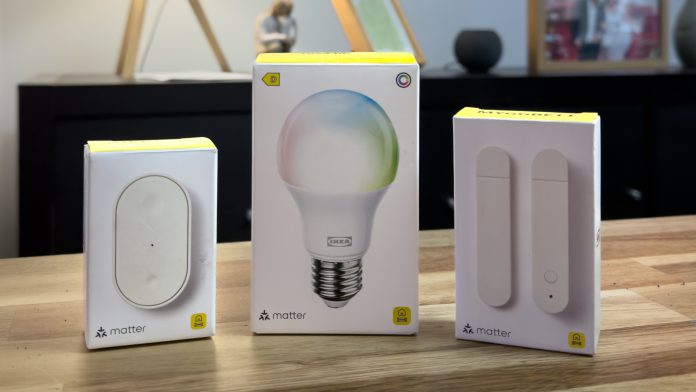
IKEA deserves real credit for what it has been doing with its latest generation of smart home products. The company has quietly built one of the most compelling affordable smart home ranges on the market with its new devices that support Matter over Thread.
From the new super cheap BILRESA smart remote to its KAJPLATS smart light bulbs, IKEA’s latest lineup shows a company that clearly understands where the smart home industry is heading. The hardware is well designed, the pricing remains extremely competitive, and based on my experience the performance has improved significantly compared to earlier generations of IKEA smart products.
IKEA’s newest smart home devices are built on the technologies that many in the industry see as the future of the smart home. Matter provides cross platform compatibility, while Thread offers faster response times and a more reliable mesh network compared to traditional WiFi based devices. This means products such as IKEA’s latest smart plugs and lighting can work across multiple ecosystems including Apple Home, Google Home, and Samsung SmartThings without needing to be locked into a single platform.
For Apple Home users in particular, when paired with a Thread Border Router such as a HomePod mini or Apple TV 4K, these devices can connect directly to the home network and I have had fast response times and excellent reliability. Although its worth pointing out this is not the same experience with all users, but I am still of the firm belief that this partly down to users Thread networks, rather than just sitting with IKEA
However, there is one area where IKEA is still falling short, and unfortunately it is an issue that could easily confuse or discourage new customers and that’s clear information and documentation.
Clarity
Based on testing and installing well over ten of the new IKEA Matter devices, it is clear that IKEA has not quite got the product information and documentation right yet. One of the biggest areas of confusion is simply how these devices actually connect and what you need to use them. All of the new products just say “Matter” on the box, but there is nothing that clearly explains how they connect to your home network. The same issue appears on the product pages online. I recently reviewed the VARMBLIXT and the documentation for this device was in the style of its flatpack products, which would not be helpful to a first time buyer.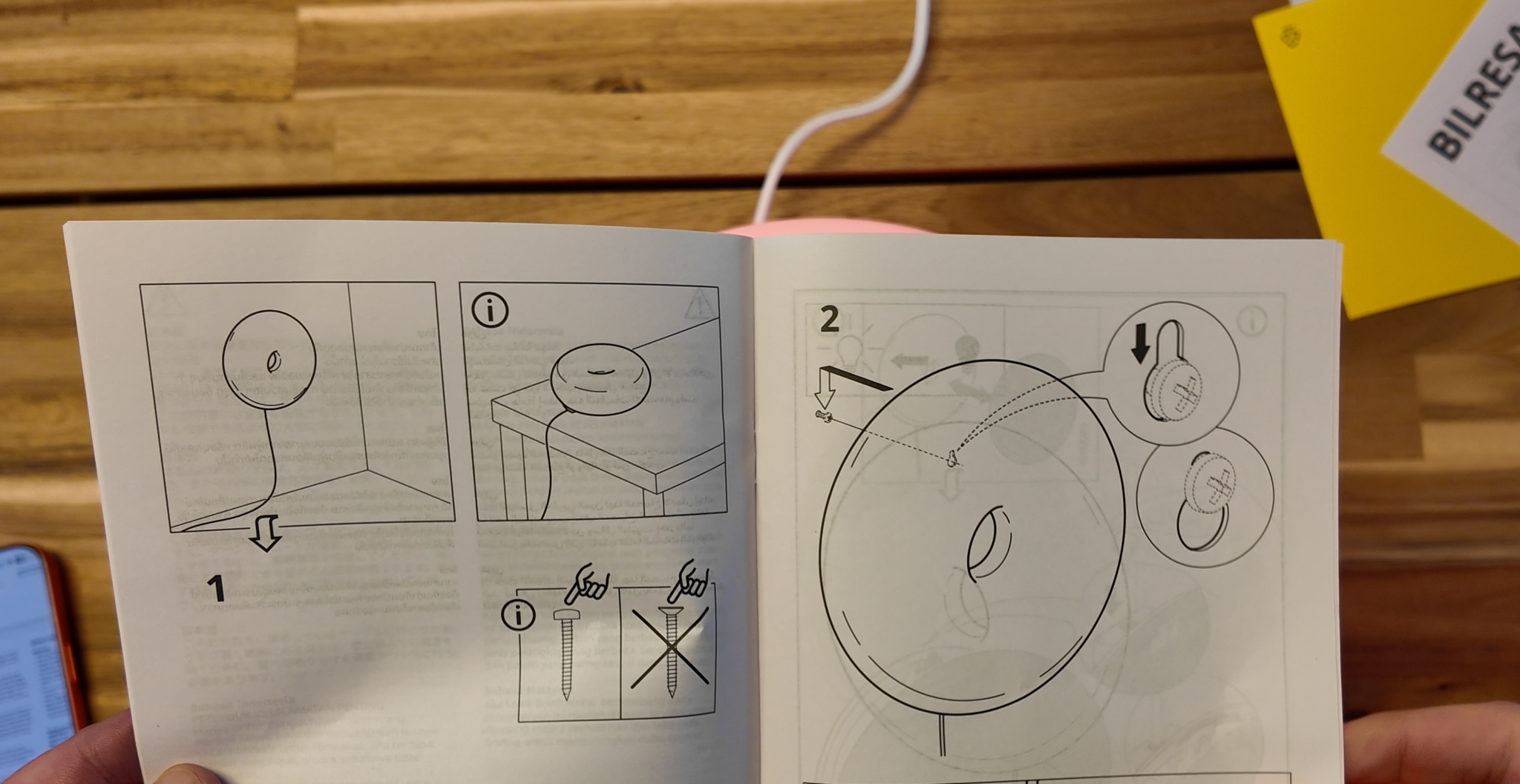
For someone who already understands smart home technology, it is usually possible to figure things out. But for someone walking into an IKEA store for the first time and picking up a smart device, the information provided is often unclear or incomplete. The key detail that is missing is how these devices actually work in practice. Many of them use Matter over Thread, which means they need a Thread Border Router somewhere in the home. A new customer could easily assume the device will connect directly to their phone or their WiFi network, which is how many other consumer devices work.
IKEA’s entire brand is built around affordability and simplicity. People are used to walking into a store, picking up a product, taking it home, and building or installing it with straightforward instructions. IKEA has built a multibillion pound business around making things simple and accessible. Smart home technology, however, comes with a few extra pieces of the puzzle. Concepts like Thread Border Routers, Matter compatibility, and smart home ecosystems are not things the average customer is familiar with.
I actually saw this play out in a store recently. A couple were looking at some of the smart home devices and asked a member of staff how they worked. To be fair to him, he did his best to explain it, but he kept repeating that the devices “work with Matter.” The problem is that saying something works with Matter means almost nothing to most people walking into a furniture and home improvement store. It is a technical standard, not something a typical customer understands.
IKEA actually has a huge opportunity.
I have been saying for about a year now that the smart home industry still has not reached true mass adoption. Right now, a lot of the market is still made up of technology enthusiasts who enjoy experimenting with new devices and building out their smart homes. That does not mean people do not have capable setups. I have over 100 devices running in my own Apple Home setup. But when I speak to friends and family, most people have one or two smart devices at most, and many have none at all.
This is where IKEA could play a major role. They have an enormous global customer base and the ability to introduce smart home technology to a much wider audience. But with the current approach to explaining these products, the barrier to entry is still too high. If the average customer cannot quickly understand what they need or why it benefits them, they are unlikely to take that first step.
A Fix That Would Be Easy for IKEA
The good news is that this is not a hardware problem. It is a communication problem and can be easily fixed with a few simple improvements would make a huge difference:
- Clear packaging that explains exactly what is required to use the product
- Better explanations on product pages about Matter, Thread, and hub requirements
- Beginner friendly setup guides for different ecosystems such as Apple Home
- Invest more in staff training and understanding of Matter and smart home standards.
These changes would help remove the uncertainty for new buyers and make IKEA’s smart home products far more approachable.
IKEA is now producing some genuinely excellent smart home devices. The combination of good design, strong performance, and aggressive pricing makes them some of the most accessible Matter devices on the market. But without clearer documentation, many potential customers may struggle to understand how everything fits together.
If IKEA can fix that final part, it could become one of the most important players in the consumer smart home space.